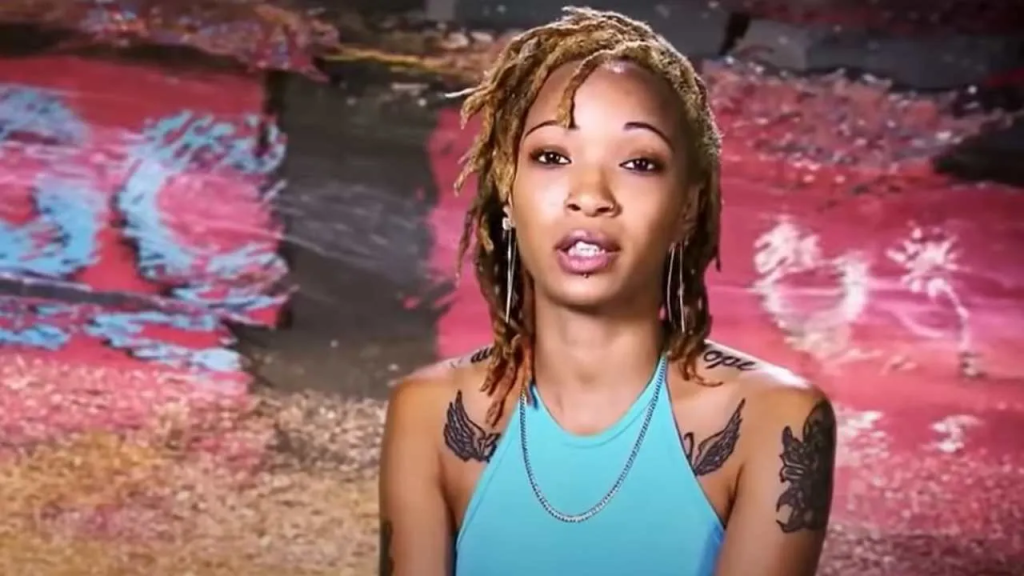
In March 2023, the estate of Deshayla Harris filed a federal wrongful death lawsuit against the City of Virginia Beach, alleging that police failures—and possibly police gunfire—contributed to her death during the March 26, 2021, Oceanfront shootings.
The complaint provides one of the most detailed reconstructions of the broader scene that night—describing crowd conditions, police response, and the moments leading up to Harris being shot while attempting to leave the area.
If you strip away the legal conclusions and official statements, a different picture begins to emerge.
Not a clean narrative.
But a fractured one.
1. The Scene Was Not Under Control
According to the Harris complaint, the Oceanfront that night was:
- Overcrowded
- Under-policed
- Experiencing multiple, ongoing shooting events
Most critically, the filing alleges:
- No command structure
- No secured perimeter
- No coordinated evacuation or direction
If accurate, that points to a fundamental breakdown:
The scene was reactive—not controlled.
2. Civilians Were Left to Navigate Chaos Alone
The complaint describes Harris and her friends as uninvolved bystanders attempting to leave the area.
They were not part of any confrontation.
They were trying to get out.
And yet:
- No instructions were given
- No safe route was established
- No police direction was provided
Instead, they ran, hid, and ultimately took cover in bushes as gunfire erupted again.
That detail matters.
Because it reframes the environment:
Not just dangerous—but unmanaged.
3. Multiple Shooting Events Blurred the Timeline
Official narratives often describe the night as a series of separate incidents.
But the complaint suggests something more fluid:
- Gunfire in waves
- Officers moving between scenes
- Civilians caught between them
This creates a critical complication:
Attribution becomes harder.
Which shots came from where?
Which officer fired when?
Who saw what—and when?
In that kind of environment, clarity doesn’t just fade—it fractures.
4. The Evidence Gap Is Central, Not Secondary
The complaint also highlights what has not been publicly resolved:
- No identified shooter in Harris’s death
- No released ballistics report
- No body camera footage showing the fatal moment
Without those pieces, the second death remains unresolved—not just legally, but factually.
And that has a ripple effect:
It limits the ability to fully understand the entire night—including the context of Donovon Lynch’s shooting.
5. The Night Cannot Be Understood as a Single Event
The most important takeaway may be this:
March 26 was not one shooting.
It was:
- Multiple incidents
- Overlapping responses
- A rapidly evolving situation
Trying to isolate one piece risks missing the whole.
And the whole may be where the most important questions live.
Final Insight
When you place both deaths side by side, a pattern emerges—not of certainty, but of gaps:
- One confirmed shooter
- One unknown
- One resolved case
- One still open in key respects
That contrast is the story.
Because it suggests that what happened that night was not fully captured in any single investigation.
And until those gaps are addressed, the central question remains:
What really happened on March 26, 2021?
 The Donovon Lynch Case